Introduction: A Quiet Giant in Fashion
If fashion were a language, the hoodie would be one of its most universally spoken words. No matter where you go—from Tokyo side streets to New York subways, from Scandinavian minimalist boutiques to music festivals in Brazil—you will find the hoodie. Worn by celebrities, athletes, students, artists, and everyday people alike, the hoodie has transcended every boundary imaginable: age, gender, culture, social class, and even fashion genre. It’s equal parts comfort and statement. Equal parts rebellion and simplicity.
But the hoodie wasn’t always this dominant. What we see today—the 500gsm heavyweight silhouettes, the oversized urban look, the clean monochrome minimalism, the high-fashion reinterpretations on luxury runways—are the result of decades of cultural evolution, social symbolism, and technological innovation. The hoodie’s rise is a story worth telling, because it represents something bigger than clothing: the shift toward authenticity, individuality, and functional style.
This article explores the hoodie’s journey from workwear to worldwide fashion staple, the craftsmanship behind a premium hoodie, the psychology of why we love hoodies so much, and how modern styling has elevated this once-simple garment into a lifestyle essential.
Chapter 1: Origins — From Utility to Identity
The hoodie traces its roots back to the 1930s in the United States, designed originally by sportswear brand Champion. The purpose was purely functional: warehouse workers needed warmth in freezing conditions, and athletes needed a warm post-training layer. The hood was a solution—not a style element.
But as the decades passed, the hoodie began attaching itself to different subcultures, each adding new layers of meaning.
1. The Hoodie in Sports Culture
Athletes embraced hoodies for warmth during training sessions, especially boxers and runners. The iconic image of Rocky Balboa jogging through Philadelphia in a grey hoodie solidified the garment as a symbol of determination and grit. Sports teams and college athletes started wearing branded hoodies, which later evolved into the modern “college hoodie” culture still strong today.
2. The Hoodie in Hip-Hop & Street Culture
In the 80s and 90s, the hoodie became synonymous with the rise of hip-hop, graffiti, and urban street movements. For young people growing up in city streets, the hoodie offered:
- Warmth
- Practicality
- A sense of privacy
- A way to express affiliation
Rappers and DJs turned hoodies into part of their storytelling. The garment became a visual representation of authenticity and struggle. Brands like FUBU, Wu-Wear, and later BAPE and Supreme pushed the hoodie into mainstream pop culture.
3. The Hoodie in Skateboarding
Skaters adopted the hoodie naturally: it was durable, warm, flexible, and looked effortless while performing tricks. The oversized silhouette many fashion brands pursue today originated from skate style—a blend of comfort, looseness, and movement freedom.
4. The Hoodie in High Fashion
Luxury fashion’s turning point came when designers like Virgil Abloh, Demna Gvasalia, and Riccardo Tisci elevated the hoodie to the runway. Suddenly, hoodies were no longer “casual basics”; they were architectural, textured, structured, and styled with luxury garments.
This shift proved one crucial idea:
The hoodie is not limited by category. It belongs everywhere.
Chapter 2: The Anatomy of a Premium Hoodie
Not all hoodies are created equal. The difference between a standard hoodie and a premium one is immediately noticeable—through touch, structure, comfort, and durability.
Let’s break down the elements that define a high-quality hoodie in 2025.
1. Fabric Quality
The most defining factor is fabric. Common options include:
- Heavyweight cotton fleece (400–500gsm): The king of modern streetwear; thick, structured, luxurious.
- French Terry (250–350gsm): Breathable, loop-backed interior; perfect for warm climates.
- Cotton-poly blends: Durable, quick-drying, performance-friendly.
- Organic cotton: Growing in popularity due to sustainability awareness.
Brands today choose heavy cotton because consumers crave a premium, structured look that stands tall instead of slouching.
2. The Feel: Brushed vs. Unbrushed
- Brushed fleece: Soft, plush interior, great for comfort.
- Unbrushed terry: Light, airy, better for layering.
The tactile experience plays a huge psychological role. People often bond with the hoodie that “feels” right.
3. Construction Details
- Double-layer hood for structure
- Dense ribbing on cuffs and waistband
- Reinforced stitching
- High-quality kangaroo pocket that won’t sag
- Metal eyelets and drawstring tips
- Pre-shrunk fabric to avoid size changes after washing
These small technical choices create long-lasting, luxury-level pieces.
4. Silhouette & Fit
Hoodies now have diverse silhouettes:
- Oversized boxy – top trend, streetwear staple
- Relaxed classic fit – everyday casual
- Slim fit – athletic and minimal
- Cropped – trendy among women’s fashion
- Dropped-shoulder – modern, relaxed aesthetic
The oversized, heavyweight hoodie remains the number one global bestseller in 2025 across fashion markets.
Chapter 3: The Psychology of Hoodie Love
Why do people love hoodies so much? Because they offer an emotional, psychological comfort other garments cannot match.
1. A Sense of Safety
Pulling up a hood creates a subtle barrier between the wearer and the world. It offers privacy, warmth, and psychological security. Especially for younger generations, the hoodie becomes a safe zone.
2. Emotional Comfort
People associate hoodies with:
- Home
- Memories
- Relaxation
- Music
- Youth
- Creativity
It’s why hoodies become sentimental items—people often keep their hoodies for years, long after other clothes rotate out.
3. Identity and Belonging
Hoodies communicate:
- The music you listen to
- The university you attended
- The streetwear brands you support
- The culture you resonate with
- Your personal style
It’s a wearable story.
4. Versatility
A hoodie can be:
- Cozy
- Stylish
- Serious
- Energetic
- Minimal
- Expressive
- Genderless
Hoodies adapt to the wearer, not the other way around.
Chapter 4: Styling the Hoodie in 2025 — Modern Looks
In today’s fashion landscape, hoodies are no longer limited to casual weekends. Styling has become sophisticated, clever, and expressive.
1. The Clean Minimalist Look
A global favorite:
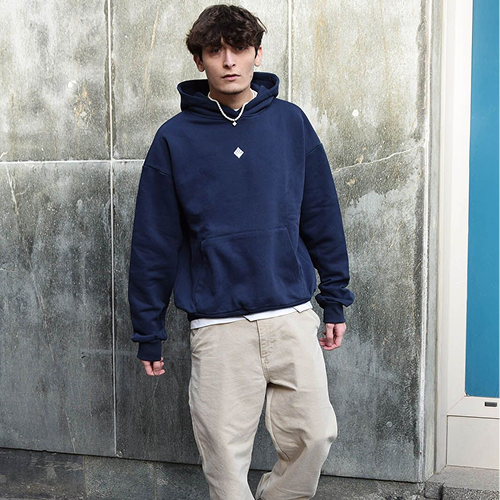
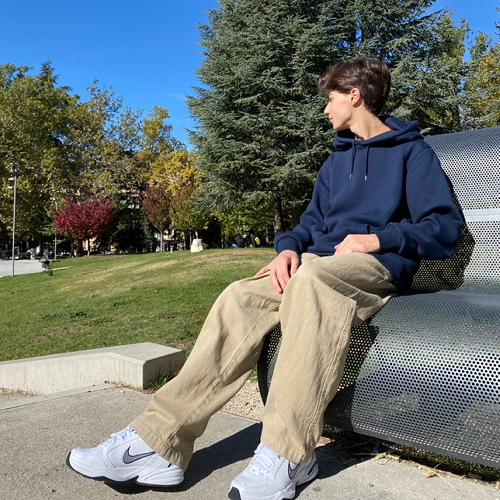
- Oversized neutral hoodie
- Relaxed trousers
- Clean sneakers
- Zero graphics or subtle embroidery
This style is inspired by Seoul and Scandinavian minimalism.
2. Athletic Streetwear
- Logo hoodie
- Cargo pants or joggers
- Chunky sneakers
- Cap or beanie
A powerful, confident everyday look.
3. Hoodie + Outerwear Layering
This trend defines modern streetwear:
- Hoodie + puffer
- Hoodie + long trench
- Hoodie + bomber jacket
- Hoodie + denim jacket
Layering adds depth, texture, and attitude.
4. Semi-Formal Hoodie Styling
Yes, hoodies can be polished:
- Slim hoodie under a tailored blazer
- Chelsea boots or leather sneakers
- Neutral color palette
- Clean accessories
This style is popular in tech offices and creative industries.
5. Summer Hoodie Aesthetic
Lightweight 250–300gsm hoodies serve as breezy layering pieces over:
- Crop tops
- Tank tops
- Activewear sets
Seasonless hoodies are growing rapidly in demand.
Chapter 5: Hoodie Trends Dominating 2025
Fashion cycles change, but hoodies remain. Here are the biggest trends shaping hoodie design this year:
1. Heavyweight Fabrics
The thicker, the better. 420–500gsm has become the signature of premium streetwear brands. Customers perceive thick hoodies as luxurious and long-lasting.
2. Neutral & Muted Tones
Trending colors:
- Greige
- Charcoal
- Stone
- Washed navy
- Mud brown
- Soft sage
Minimal palettes dominate TikTok and fashion lookbooks.
3. Minimal Branding
Small chest logos, understated embroidery, or clean typography are the new aesthetic.
4. Eco-Friendly Cotton
Sustainability drives fabric decisions. Recycled cotton, organic fibers, and low-impact dyes are becoming mainstream.
5. Customizable Hoodies
Print-on-demand and personalization boom:
- Names
- Artwork
- Photos
- Logos
Consumers love owning something “uniquely theirs.”
6. Genderless Silhouettes
Hoodies are inherently unisex, and brands embrace that:
- Boxy fits
- Longer sleeves
- Neutral colors
- Universal sizing
Fashion is moving toward inclusivity, and hoodies lead the way.
Chapter 6: Why the Hoodie Will Never Go Out of Style
The hoodie’s longevity comes from three powerful reasons:
1. Functionality
Weather-friendly, durable, layerable, comfortable.
2. Cultural Significance
Music, sport, streetwear, youth culture, rebellion, unity.
3. Adaptability
It fits every aesthetic:
- Streetwear
- Minimalism
- Athleisure
- Luxury casual
- Techwear
- Retro
- Modern classic
Very few garments can cross so many categories while remaining true to their original purpose.