Introduction: Why the T-Shirt Rules the Modern Wardrobe
Among thousands of fashion items that come and go with trends, the T-shirt remains the undefeated champion of everyday wear. It is the most universal garment ever created: worn by children, students, athletes, workers, celebrities, luxury designers, and even presidents in their downtime. The T-shirt has become more than clothing; it is communication. It tells stories, expresses personality, carries culture, and offers effortless comfort.
From military uniforms during World War II to Hollywood icons like Marlon Brando and James Dean who turned the T-shirt into a symbol of rebellion, the journey of this simple garment is extraordinary. Today, in 2025, T-shirts dominate streetwear, luxury fashion, athleisure, sustainability movements, and even digital-first design aesthetics.
But what makes the T-shirt so powerful? Why does it remain timeless even as fashion evolves at lightning speed? This article breaks down the cultural history, craftsmanship, styling science, and modern significance of the T-shirt in today’s world.
Chapter 1: The Evolution of the T-Shirt – From Utility to Icon
The T-shirt wasn’t originally meant to be seen. It began as an undergarment—something functional, invisible, and strictly practical. But culture has a funny way of elevating the simplest things.
1. Military Roots
In the early 1900s, the T-shirt was given to American sailors and army soldiers because:
- It dried faster than wool
- It allowed freedom of movement
- It was lightweight in tropical climates
The T-shirt became associated with discipline and physical strength.
2. Hollywood Makes It Cool
In the 1950s, films like A Streetcar Named Desire and Rebel Without a Cause introduced the world to muscular actors wearing plain white T-shirts. That moment flipped the script: the T-shirt went from “hidden underwear” to “rebellion uniform.”
A single white tee suddenly symbolized:
- Masculinity
- Attitude
- Simplicity
- Non-conformity
3. Pop Culture, Bands, and Protest Movements
The 60s and 70s turned T-shirts into political tools. Activists printed slogans; bands printed tour graphics; brands printed logos. The T-shirt became a billboard for expression.
4. Streetwear and Luxury Take Over
In the 2000s and 2010s, T-shirts became the backbone of:
- Supreme drops
- Off-White’s iconic diagonal graphics
- YEEZY’s minimal neutral tones
- Gucci’s logo revival
- Nike and Adidas sportswear expansions
Today, in 2025, the T-shirt is equally at home in:
- A high-fashion runway
- A gym bag
- A corporate casual outfit
- A streetwear capsule collection
- A travel wardrobe
The evolution is complete: the T-shirt is the most democratic piece of fashion ever made.
Chapter 2: The Craftsmanship Behind a Perfect T-Shirt
A good T-shirt looks simple. A great T-shirt requires science, skill, and careful design. Today’s consumers value quality more than ever, and understanding the construction helps them appreciate what they wear.
1. Fabric Types and Their Personalities
The fabric defines how a T-shirt feels, drapes, stretches, and lasts.
✔ 100% Cotton
Soft, breathable, natural. Works for everyday wear and ages beautifully.
✔ Combed Cotton
Extra smooth because the fibers are combed to remove impurities.
✔ Organic Cotton
Eco-friendly, gentle on skin, increasingly popular in 2025.
✔ CVC (Chief Value Cotton)
Cotton-rich blend offering durability and minimal shrinkage.
✔ Heavyweight Cotton (240–280gsm)
Creates a structured, premium streetwear look. Trendy and long-lasting.
✔ Jersey Knit
Flexible, elastic, ideal for athletic or fitted T-shirts.
Each fabric gives the T-shirt a different aura—soft, crisp, vintage, athletic, or luxurious.
2. Weight & Thickness
Weight changes everything.
- 160–180gsm: lightweight, airy, perfect for warm climates
- 200–220gsm: standard daily wear
- 240–280gsm: premium heavyweight, boxy and structured
Heavyweight tees dominate 2025 fashion because they feel substantial and elevate even the simplest outfits.
3. Fit Engineering
A modern T-shirt must be designed with intention.
Popular fits include:
- Regular fit: classic, balanced
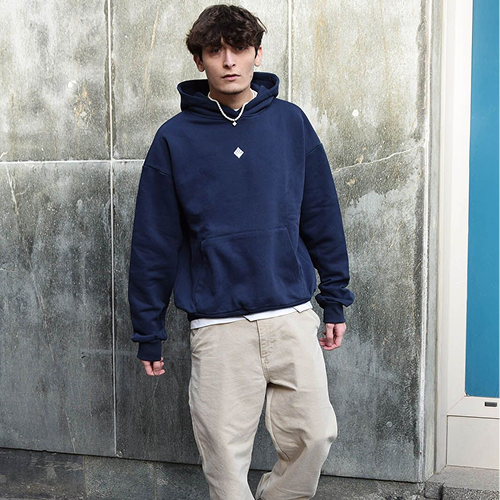
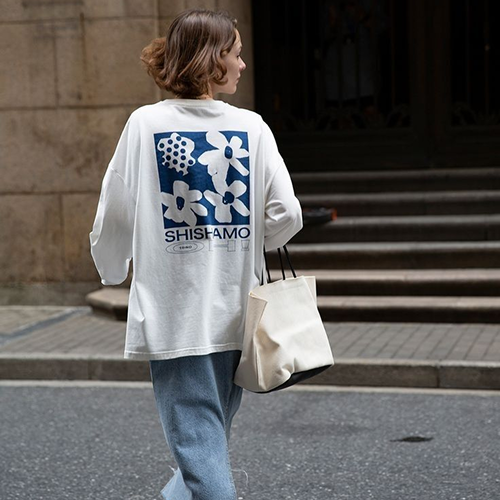
- Oversized fit: streetwear, relaxed, trendy
- Boxy fit: wide body, short length, high fashion look
- Slim fit: clean and athletic
- Drop shoulder fit: gives relaxed luxury vibes
Today’s fashion world favors oversized and boxy silhouettes.
4. Finishing & Construction Quality
Small details signal big quality differences.
- Reinforced neckline
- Double stitching
- Shoulder-to-shoulder taping
- Pre-shrunk fabric
- Durable rib collar
- Soft-wash or enzyme-wash finishes
These features ensure the T-shirt maintains shape, comfort, and longevity.
Chapter 3: Graphic Art, Print Techniques & Storytelling Through Tees
Every T-shirt carries a message—sometimes bold, sometimes subtle. Print techniques give designers tools to bring stories to life.
1. Screen Printing
The king of long-lasting bold designs. Perfect for large graphics.
2. Direct-to-Garment (DTG)
Allows high-detail, full-color artwork.
3. Puff Printing
A trendy 3D effect that adds texture and personality.
4. Embroidery
Premium, subtle, and classy.
5. Vintage Cracked Print
For a retro, worn-in look that feels authentic.
6. Minimal Typography Prints
The most popular trend of 2025—clean, modern, versatile.
T-shirts are visual communication tools. They reflect personality, beliefs, fandoms, moods, humor, and identity.
A T-shirt is wearable storytelling.
Chapter 4: How to Style a T-Shirt in 2025
The magic of the T-shirt is its versatility. You can style it a hundred ways, from casual to chic, from sporty to polished.
1. Minimalist Clean Look
This is the global trend dominating TikTok and Instagram.
Formula:
- Heavyweight oversized T-shirt
- Straight-leg denim or wide trousers
- Minimal white sneakers
- Simple accessories
Neutral colors like white, black, grey, navy, greige work perfectly.
2. Streetwear Style
For a bold urban look:
- Graphic tee
- Baggy jeans or cargo pants
- Cap or beanie
- High-top sneakers
- Layer with flannel or bomber jacket
Streetwear tees often use oversized fits and heavy fabrics.
3. Athleisure
Perfect for gym-to-street wear:
- Stretchy T-shirts
- Joggers or cycling shorts
- Running shoes
- Crossbody sporty bag
Comfort and movement are the priority.
4. Smart Casual
Ideal for office, cafe meetings, or casual dates.
Formula:
- Fitted or boxy plain T-shirt
- Blazer or lightweight jacket
- Chinos or tailored trousers
- Loafers or clean sneakers
A plain white or black tee can look surprisingly elegant.
5. Summer Essentials
For hot weather:
- Lightweight tee
- Shorts
- Sandals or breathable sneakers
- Sunglasses
Bright colors and soft-wash fabrics shine in summer.
Chapter 5: Why the T-Shirt Will Never Die
The T-shirt is immortal because it holds unique advantages:
1. Universality
Everyone owns one. Every culture accepts it.
2. Emotional Connection
We remember our favorite band tees, college tees, first-date tees.
3. Affordability
High aesthetic value at a reasonable price.
4. Comfort
Soft, breathable, effortless.
5. Endless Reinvention
New fits, new fabrics, new graphics, new meanings.
6. Cultural Significance
A T-shirt can define a movement, represent a community, or express individuality better than almost anything else.
No matter how futuristic fashion becomes, people will always return to the simple T-shirt—because it feels natural.